
🌍 Conexão Brasil ⇄ EUA 🔥 Bônus de Março

Estude com quem toca nas trilhas de Hollywood

Mais de 16 anos de experiência transformando alunos. Aprenda a técnica que me levou das Bandas Marciais e de Fanfarras do Brasil aos grandes estúdios da Warner Bros e Netflix.

🎺 Quero agendar minha conversa gratuita
📅

PRESENTE DE FEVEREIRO

Agende este mês e ganhe um diagnóstico técnico gratuito (30-40 min). Vamos identificar o que trava seu som hoje!

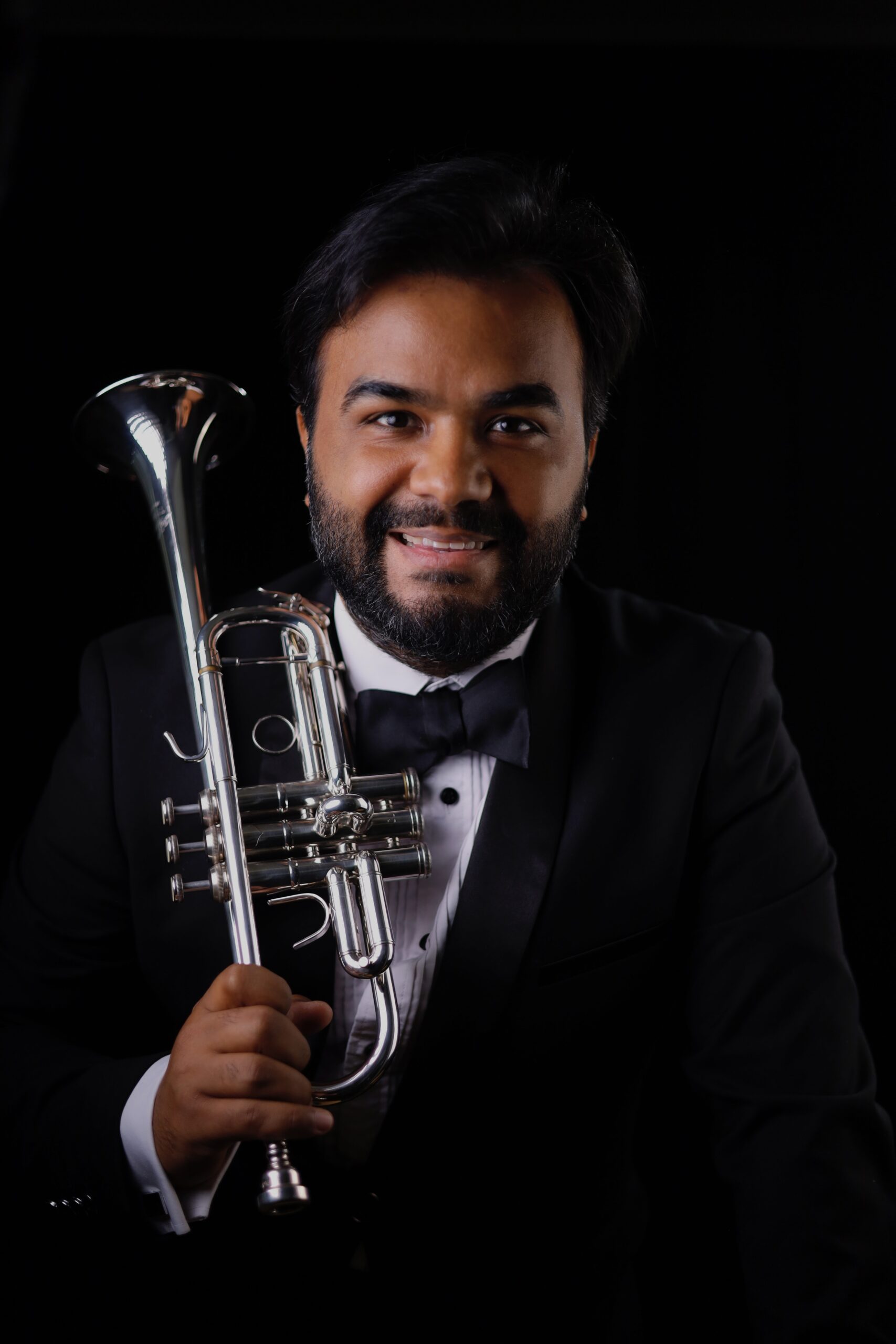
Wellington Lima - Trompetista
16+ anos Experiência Docente

Wellington Lima (Indiotrumpet-LAB)

Mestre em Música (UFPB) e Especialista em Performance (Azusa Pacific University - Califórnia).

🎬 Experiência em Hollywood: Gravou trilhas nos estúdios Warner Bros, Sony e Columbia Pictures, incluindo o filme Beverly Hills Cop da Netflix.
🇺🇸 Performance nos EUA: Atua em Los Angeles como Professor e Principal Trompetista da Westside Youth Orchestra e ICYOLA e membro da Los Angeles Brass Alliance.
🎻 Carreira Orquestral: Foi Principal Trompetista da Orquestra Sinfônica Municipal de João Pessoa por 10 anos.
🎓 Especialista em Ensino: Mestre com pesquisa focada em tecnologia e ensino à distância, unindo a tradição do trompete com ferramentas modernas de aprendizado.
🎤 Versatilidade: Já colaborou com nomes como Maestro Spok, Silvério Pessoa e diversos artistas da música popular e erudita.

O que vamos desenvolver juntos 🛠️

💨

Eficiência Respiratória

Tocar com menos esforço e mais projeção de som.

🎯

Precisão Técnica

Articulação, flexibilidade e domínio das notas agudas.

🎼

Musicalidade

Fraseado e interpretação para tocar qualquer estilo com alma.

💻

Mentoria Digital

Apoio com softwares e técnicas de gravação para o trompetista moderno.

Vamos destravar seu potencial?

Não importa se você está começando do zero ou se já é profissional. Eu vou te ajudar a chegar no próximo nível.

Preencha o formulário abaixo 📩

Informe seu nível e seu maior desafio hoje. Analiso cada mensagem pessoalmente.
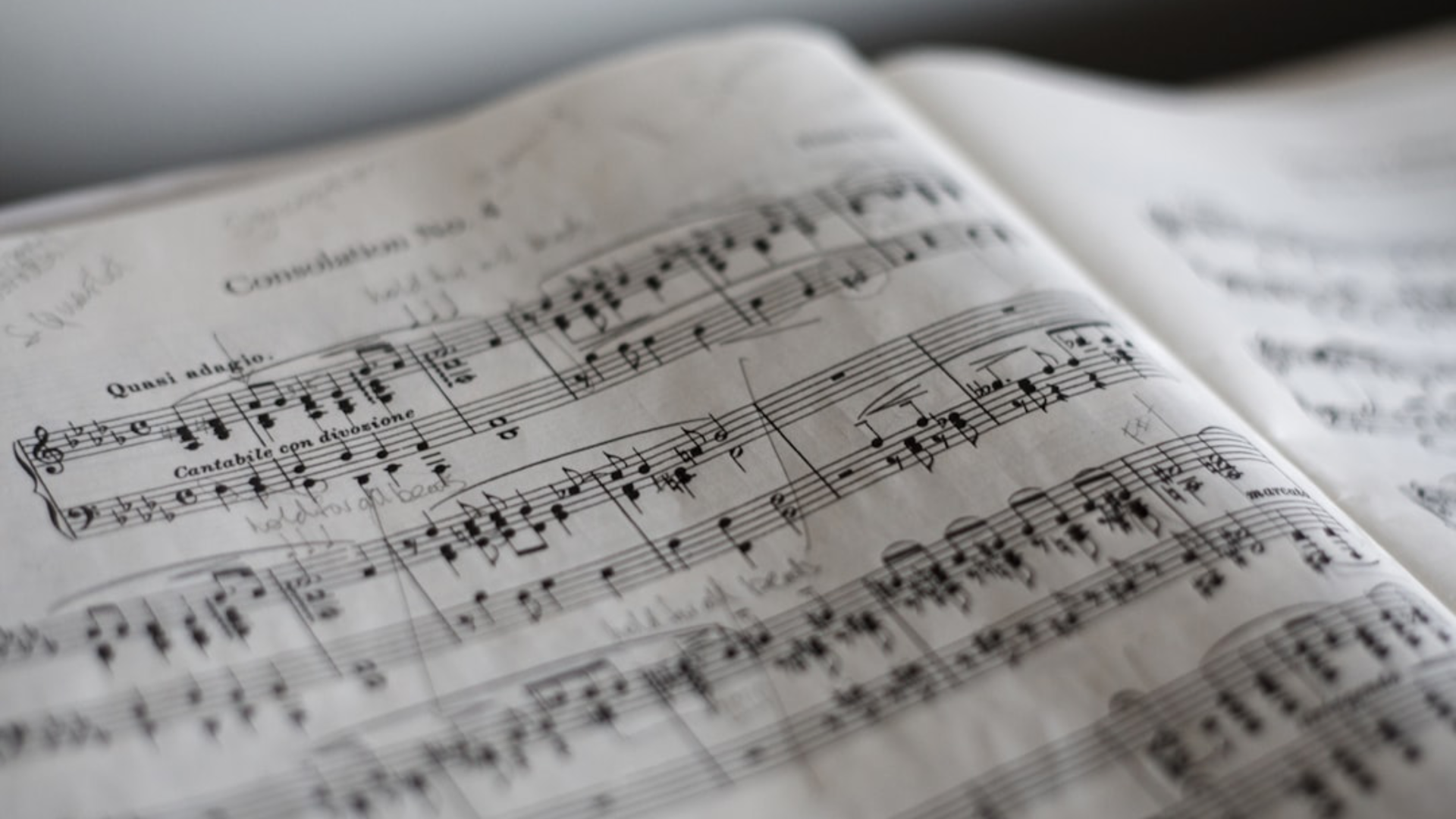
    🚀 Comece sua Jornada no Trompete

    Do primeiro som à prática avançada: aqui você encontra vídeos para estudar, se inspirar e evoluir junto com a comunidade.

    🎺Como Tocar Trompete – Primeiros Passos

    📏 Postura, 💨 respiração e primeiro som com 🎺 embocadura segura. Guia rápido pra começar sem vícios.

    🎺 Estudos Básicos: Fluência, Leveza e Respiração! 💨✨

    ✨Fluxo de ar constante, leveza na emissão e exercícios pra som limpo. Prática objetiva pra evoluir já.🧘‍♂️🎶 🎯

    🔥 Novidades no Indiotrumpet LAB 🎺

    O que vem por aí: aulas, séries, desafios e fórum. Como participar e aproveitar tudo do canal.

    Share with Friends

    💬 Fórum de Estudo

    Compartilhe dúvidas, troque experiências e aprenda com a comunidade.

    Please or Register to create posts and topics.

    Desenvolvimento Técnico e Musical dos Alunos

    TopicsLast post

    Professor

    The Power of Guided Learning by a Specialized Teacher

    The learning process becomes more effective when guided by a specialized professional. Having a qualified teacher not only facilitates the understanding of complex content but also fosters the development of critical skills, promotes student motivation, and tailors teaching methods to individual needs. The presence of an experienced mentor makes all the difference, whether in helping a struggling student or in the continuous improvement of an advanced learner, creating a solid foundation for academic and professional success.

    • Personalization of Teaching:

      A specialized teacher is capable of identifying the needs and learning paces of each student, adapting content and pedagogical approaches to maximize understanding and engagement.

    • Mastery of Content:

      With deep knowledge of the subject matter, the specialized teacher is able to explain complex concepts clearly, address questions with precision, and provide practical examples that facilitate comprehension.

    • Promotion of Critical Thinking:

      In addition to imparting knowledge, a good teacher encourages the development of critical thinking by challenging students to question, analyze, and creatively apply what they have learned in practical contexts.

    TRUMPET

    Learning the trumpet can be based on 3 pillars

    The Three Pillars is the name given to the set of fundamentals containing exercises based on existing methods for trumpet study, which we refer to as reference methods. The term “pillars” emerged from the desire for a name for the video lessons that could represent the basic principles. We know that pillars serve as a solid foundation for a particular structure, such as houses, schools, hospitals, buildings, etc. However, considering the figurative meaning of the word pillar, we conclude that it is closely associated with foundations and principles. In order to assign a title to each fundamental presented in the video lessons, we decided to divide them into: breathing, embouchure, and fingering.

    Breathing – Embouchure – Fingering

    You can read more about the three pillars of the trumpet and their specificities by clicking the button below. This button will give you access to my Master’s Dissertation. Enjoy!

    Breathing

    Exercises without the trumpet. For a trumpet player to have good sound projection and sustainability, he needs to inhale well enough to fill his lungs completely and pleasantly.
    Embouchure

    The embouchure is another very important prerequisite for playing the trumpet. It is through the lips that we produce vibrations and, consequently, the sound, when we blow into the trumpet.
    Fingering

    This Foundation seeks to improve the execution technique and finger agility. Clarity and fluidity are the main objectives of this pillar.


    Join

    Join Professor Wellington Lima's trumpet class and have unlimited access to all content

    When you start your private lessons, you will have access to various educational content in the student section.

    Flexible Lessons

    Video Lessons

    Performance Content

    Recommended Bibliography

    Sheet Music

    Extra Materials

    Interactive Resources

    Personalized Feedback

    • Student First: Private classes and communication between student and teacher will be based on the student’s availability.
    • Flexibility: The student will have flexibility, being able to change the class date as many times as needed, with one week’s notice.
    • Number of classes per week: An analysis will be made to determine how many classes the student will need to have per week. The student can fit into the current modalities (30min, 45min or 1 hour) per week or twice a month.
    • Technique Demonstrations: Short videos demonstrating basic and advanced technical exercises, such as embouchure control, breathing, articulation, agility, etc.
    • Theoretical Lessons: Explanations of music fundamentals, such as sheet music reading, scales, intervals, and harmony.
    • Repertoire: Videos playing excerpts from pieces or exercises that the student is studying, so they can listen to the teacher’s interpretation and compare it with their own performance.
    • Performance Preparation: Guides on how to prepare for performances, including managing stage fright, stage techniques, and reading sheet music during a performance.
    • Interviews with Famous Trumpet Players: Videos or articles with interviews where trumpet players share their experiences and study tips.
    • Trumpet Books and Methods: Lists of trumpet books and teaching methods, such as Arban’s Complete Method for Trumpet and Clark’s Technical Studies, or other relevant resources.
    • Repertoire: Recommendations of pieces and albums for different skill levels, from classical solos and other genres.
    • Repertoire Sheet Music: Providing sheet music of pieces being worked on in lessons, as well as additional works for individual study.
    • Sheet Music with Accompaniment: Offering sheet music with trumpet parts and accompaniment (piano, band, or backing tracks) for the student to play along.
    • Arrangements and Transcriptions: For more advanced students, arrangements of popular pieces or transcriptions of famous trumpet solos.
    • Articles and Interviews: Texts about famous trumpet players, the history of the trumpet, or advanced techniques that can enrich the student’s understanding of the instrument.
    • Practice Calendar: A guide for students to organize their study routine, including suggestions on how to divide time between technique, and repertoire.
    • Trumpet Maintenance Tips: How to care for and clean the trumpet, adjust valves, change oil, etc.
    • Accompaniment Audio: Audio files or backing tracks for students to play along with during repertoire practice.
    • Example Recordings: Recordings of the teacher playing different musical styles to illustrate how the trumpet is used in various contexts.
    • Weekly Challenges: Practice activity proposals or challenges, such as playing a specific piece or exercise by a certain deadline.
    • Analysis and Feedback Sessions: Students can send recordings of their practice, and the teacher can analyze and provide feedback via video or audio.
    • Discussion Forum: A space for students to ask questions and discuss topics related to technique, repertoire, and other aspects of trumpet playing.

    Get unlimited access to personalized materials like the one below

    But, if you are already one of our regular students, log in and have access to all the materials available to you.

    Daily Routine

    Wellington Lima

    Sample

    Flow Studies

    Vincent Cichowicz

    Vincent Cichowicz’s Flow Studies philosophy, developed by the renowned trumpet player and educator, is an approach aimed at the technical and musical development of trumpet players, with an emphasis on achieving a smoother, more natural, and controlled performance. Cichowicz, who taught at Northwestern University, became widely known for his pedagogical work focused on technique and musicianship, and his methods have influenced generations of trumpet players.

    Flow Studies, in general, is a set of exercises designed to improve articulation, flexibility, dynamic control, coordination, and consistency in performance. The main focus of these studies is to develop an approach to playing where the music flows organically, without unnecessary technical interruptions. The principles he emphasizes include:

    Cichowicz believed that breath control was the foundation for both technical and musical development. His method places great emphasis on air control and the efficient use of airflow, allowing trumpet players to perform more relaxed and with less tension.

    He advocated for clear articulation, but without stiffness. Rather than an aggressive or “harsh” articulation, Cichowicz sought a fluid articulation that allowed for musical expression with ease and precision.

    Another central point is flexibility. He proposed exercises that helped trumpet players develop greater ability to transition smoothly between low, middle, and high registers, without excessive effort or rigidity.

    Cichowicz was also highly focused on dynamic control, teaching his students to play with nuance, smoothly crescendoing and decrescendoing, without abruptness or excessive volume.

    Instead of short, fragmented exercises, Cichowicz believed musicians should practice long sound flows, which helped develop endurance, embouchure control, and fluidity. These long exercises allowed trumpet players to dive deeply into sound, exploring various aspects of technique without interruptions.

    Although his focus was on technique, Cichowicz always emphasized that musicality should come first. He saw technique not as an end in itself, but as a tool to allow for freer, less restricted musical expression.

    He also suggested that trumpet players adopt a mental attitude of presence and mindfulness while practicing, allowing the musician to fully concentrate on the moment and the sound of the instrument.

    In summary, Vincent Cichowicz’s Flow Studies philosophy is a technical approach that seeks not only to enhance instrumental skill but also to foster musical flow. Trumpet players following this philosophy work to eliminate physical and mental tension, aiming for a more relaxed, expressive, and technically proficient performance. The key pillars of this method are fluidity, air control, smooth articulation, and a focus on musicality.

    AUDITIONS?

    Are you preparing for professional auditions and need support materials such as Examples of orchestra excerpts in sheet music or Audios played by the main Orchestras from around the World?

    Here you will find the main websites that will help you with this!

    Trumpet Excerpts

    Your Online Resource for the Study of Trumpet Literature from the Orchestra and Wind Ensemble

    Classical Archives

    The World's Best Curated Classical Music Collection

    kunstderfuge.com

    The Largest Resource of Classical Music in .mid Files

    Questions

    7 Questions Asked by My Instagram Followers

    I have put together some questions and answers that some of my followers have asked me about practicing and performing with the trumpet. What do you think of the answers? Leave your comments on these topics.

    Embouchure control and endurance were the biggest challenges. In the beginning, maintaining a consistent sound for a long time was difficult.

    Long tones and lip flexibility. It helps prepare the lips and focus on air control and pitch.

    Patience and consistency. At first, progress may seem slow, but practicing every day, even a little, makes a big difference.

    Practicing both separately and then integrating them. Technique is essential, but without emotion, the music does not connect with the audience.

    Wanting to play too loud all the time. Beautiful sound comes from controlling your air, not from brute force.

    Preparation and breathing. The better prepared I am, the more confident I become. Breathing techniques help to calm down before going on stage.

    Expressiveness and control. A good trumpet player plays correctly, an exceptional one conveys emotion and adapts to the musical moment.

    Leave your comment

    TESTIMONIAL

    Join the class of students and have access to all teaching materials.

    Contact Me

    Feel free to write to me.

    I will respond as soon as possible. Thank you.

    01- Contact Phone

    Cell Phone number: +1 (626) 731-5952
    Manager Phone: +55 (81) 98748-7825

    02- Office Email

    Office Email: wellingtonlima@indiotrumpet.com
    Manager Email: contato@indiotrumpet.com